Another year, another independence day
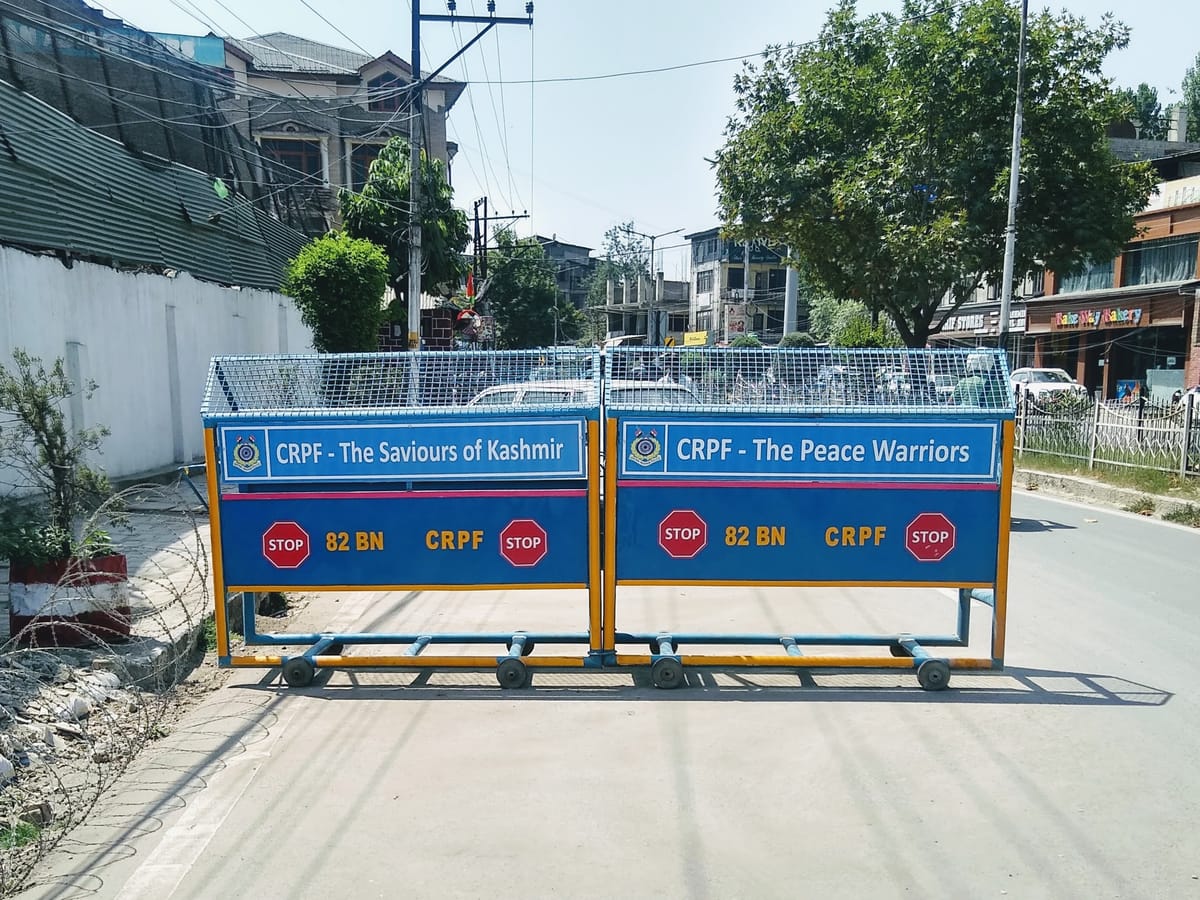
This time of year is always hard. There is so much to say—and at the same time, nothing to be said.
Virtually every state was created through violence. The place from which I sit writing this today was built on the back of a horrific genocide against indigenous peoples and centuries of slavery. Both are atrocities that have yet to be reconciled.
But the moment of independence and Partition is cause for particular reflection. It was one of the great ruptures of colonialism, and the moment when much of the world learned that they too were capable of the unthinkable. We must remember that very little happened that fateful night. It happened the next day, and in the 79 years that followed. This date stands—in our street celebrations, nationalist textbooks, social media feeds, family group chats, and maybe even our pillow talk—as a testament to the human capacity for both triumph and evil.
My time at university taught me that independence and Partition cannot not be reduced to a single moment. They are continuous processes, experienced every day: every day that we build fortresses around these lines in the sand, and every day that the state reinforces what it means to exist on one side or the other. And I'm thinking beyond the Punjab. The consequences of the system chosen to replace the colonial arrangement are felt across the subcontinent, from the grieving mothers in Gwadar to the eerie silence of Srinagar's streets, from the home-based labors of Delhi's slums back into the hearts of the orphaned children of Swat.
As our world burns and our social constructs collapse in real time, I sometimes struggle to find the vocabulary to begin analysis. Independence and Partition provide a unique entry point. They represent a brief moment when history condensed, before unraveling into an infinite multiplicity. The end of the beginning and the beginning of the end. Through this portal, the story we told ourselves—that empire could be outsourced, that violence could beget peace, and that patriotism could stand in for justice—came into view.
It is also around this time of year that I think about my personal family history, and the vastly different reality into which I could have been born. I am reminded of a quote by Antonio Gramsci. Its original context has been lost (scribbled on a loose notepad in a prison cell sometime between 1929 and 1935, then mistranslated twice) but its relevance endures.
"The starting-point of critical elaboration is the consciousness of what one really is, and is 'knowing thyself' as a product of the historical process to date which has deposited in you an infinity of traces, without leaving an inventory. The first thing to do is to make such an inventory."
I read these lines as a daring question: How do our personal histories intersect with our politics? Or, more pointedly, how could they ever be treated as separate?